So you want to start your own coffee roastery? Fantastic! Welcome to the aromatic world of freshly ground coffee, where every day starts with the aroma of freshly roasted beans and ends with a cup of liquid gold. But before you start dreaming of becoming the next coffee royalty, there are a few things you need to consider. Let’s dive into the five most important aspects you should keep in mind when entering the wonderful (and sometimes crazy) world of coffee roasting.
1. knowledge is power (and taste)
First of all, my dear coffee enthusiast, you need to become a true coffee nerd. I don’t just mean someone who can tell the difference between a latte and a cappuccino (although that’s a good start). No, you need to become a walking coffee encyclopedia!

Learn all about coffee beans
Start by learning everything you can about coffee beans. And I do mean everything. From the countries they come from (hint: it’s more than just Brazil and Colombia) to how different growing conditions affect the taste. You should be able to talk about coffee beans like a wine expert talks about grapes. “Ah, yes, those Yirgacheffe beans really have a blooming bouquet with notes of jasmine and citrus, don’t they?”
Mastering the roasting process
The next step is to learn the roasting process in detail. You need to know exactly what happens to the beans as they go from green to golden to dark brown. Learn about the Maillard reaction (it’s not just something that happens to your fried chicken) and how different roasting times and temperatures affect the flavor.
Experimenting, experimenting, experimenting
Now comes the fun part – experimenting! Roast small batches of different beans in different ways. Taste, take notes, and taste again. You’ll drink more coffee than you ever thought possible (and yes, you’ll probably be a little shaky at times). But it’s all in the name of science! As our friends at Sciencebrewing would say: “More science in roasting means more great cups of coffee for everyone!”
Get formal training
Consider taking formal courses in coffee roasting. There are actually training courses in this! Yes, you read that right – you can get a diploma in making the perfect cup of coffee. These courses can provide you with valuable knowledge and also help you network with others in the industry.
2. equipment – your new best friend
Now that you have all this knowledge buzzing in your head (or maybe it’s just the caffeine?), it’s time to talk about equipment. To start a coffee roastery, you need more than just a big pot and a good will.
Coffee roasters – the heart of your business
Your most important investment will be your coffee roaster. There are many different types and sizes to choose from, from small batch roasters to large industrial machines. Choose one that fits your production volume and budget. Remember, it’s okay to start small and grow over time.

Types of roasters:
- Drum roasters: The most common type, good for both small and large volumes.
- Fluid bed roasters: Give a more even roast but are often more expensive.
- Hot air roasters: Good for smaller volumes and experimentation.
Grinders – for the perfect grind
After roasting comes grinding. Invest in a good grinder (or several) that can handle different grind sizes. You want to be able to offer everything from coarse grind for press pots to fine grind for espresso.
Packaging equipment
Don’t forget about the packaging! You need a good sealer to keep your coffee fresh. Also consider investing in a labeling machine to give your bags a professional touch.
Test equipment
To ensure the quality of your coffee, you will also need some testing equipment. This includes:
- A good scale for measuring beans and roasted coffee
- Thermometers to monitor temperatures during roasting
- Colorimeters to measure the degree of roasting
- Refractometers to measure extraction
Safety equipment
Last but not least, don’t forget the safety equipment. Fire blankets, fire extinguishers and good ventilation are a must. Coffee roasting can be a hot business (literally), so be prepared!
3. Find your niche – be unique or go home
In a world full of coffee roasters, you need to find your own little corner of coffee heaven. It’s time to think about what makes your roastery special.

Specialize
Maybe you want to focus on a specific region? “We only offer the finest beans from the mist-shrouded mountains of Papua New Guinea!” Or why not specialize in a particular roasting grade? “Our coffee roastery – where dark roasting is a way of life!”
Find your target audience
Think about who you want to sell to. Is it coffee enthusiasts willing to pay a little extra for exclusive beans? Or perhaps local cafés that need a reliable supplier of good, affordable coffee?
Create a story
People love a good story. What’s yours? Maybe you started roasting coffee in your basement after a life-changing trip to Colombia’s coffee district? Or maybe you discovered your passion for coffee while working as a barista to fund your studies in quantum chemistry? Use your unique background to create a story that customers can relate to.
Be innovative
Think outside the coffee box! Maybe you could offer monthly coffee subscriptions with surprise beans? Or why not start “Adopt a Coffee Bush” programs where customers can follow their own coffee plant from flower to cup?
Cooperate
Consider collaborations with other local businesses. Maybe you can create a specialty blend for the hip microbrewery around the corner? Or why not team up with a local chocolate maker to create the ultimate mocha experience?
4. Laws and regulations – not as fun as coffee, but just as important
Now we come to the less glamorous, but incredibly important part of starting a coffee roastery – laws and regulations. Yes, I know, it’s not as exciting as tasting freshly roasted beans, but believe me, it’s just as important to the survival of your business.

Company registration
First of all, you need to register your business. Choose a form of company that suits your business, such as a sole trader or a limited company. Each form has its advantages and disadvantages in terms of taxes, liability and administration.
Food authorization
As you will be handling food, you need the right permits. In Sweden, this means you need to register your business with your municipality’s environmental and health protection office. They will want to see that you follow all hygiene rules and have a well-functioning self-monitoring program.
Self-monitoring program
A self-checking program is a document that describes how you ensure that your coffee is safe to consume. It should include:
- Procedures for cleaning equipment
- Temperature controls during roasting and storage
- Traceability of your beans
- Handling of any complaints
Health and safety at work
Don’t forget the working environment! Coffee roasting involves high temperatures and potentially dangerous situations. Make sure you follow the Health and Safety Executive’s rules for a safe workplace. This includes:
- Fire protection
- Ventilation
- Personal protective equipment
- Ergonomic workplaces
Labelling and packaging
There are strict rules on how food should be labeled. Your coffee package must contain:
- Product name
- Ingredient list (yes, even if it’s just coffee)
- Net weight
- Best before date
- Storage instructions
- Name and address of the manufacturer
Import rules
If you plan to import raw coffee beans directly (as many roasters do), you need to familiarize yourself with the import rules. This includes:
- Customs rules
- Import licenses
- Any fees or taxes
Taxes and accounting
Last but not least, don’t forget about taxes! Make sure you’re on top of it:
- VAT accounting
- Income tax
- Employer contributions (if you have employees)
- Accounting requirements
It may be worth hiring an accountant or bookkeeper, at least in the beginning, to ensure that everything is done properly.
Remember, following the rules isn’t just about avoiding fines – it’s about building a good reputation and a sustainable business. Plus, it gives you more time to focus on the fun stuff – roasting great coffee!
5. Marketing – spread the scent of success
Now that you have everything in place – knowledge, equipment, a unique niche and all the necessary permits – it’s time to spread the word about your wonderful coffee. It’s time for marketing!

Build your brand
First of all, you need to create a strong brand identity. This includes:
- A memorable name (Kaffekick? Bönan & Jag? Rosteri Extraordinaire?)
- A stylish logo
- A consistent visual identity for packaging, website and marketing materials
Think about what you want your brand to convey. Are you the fun, quirky roastery? The serious, scientific roaster? Or maybe the environmentally conscious, sustainable roaster?
Online presence
In today’s digital world, a strong online presence is a must.
Web site
Create a professional, user-friendly website. Make sure it is:
- Mobile-friendly
- Easy to navigate
- Have an online shop where customers can buy your coffee
- Includes information about your beans, roasting processes and company history
Social media
Be active on social media. Instagram is perfect for showing off beautiful pictures of your coffee and roasting process. Twitter can be great for quick updates and interaction with customers. Facebook can be used to create a community around your brand.
Content marketing
Become an authority on coffee by creating valuable content:
- Start a blog where you share coffee tips, recipes and information about different coffees
- Create instructional videos on how to brew the perfect coffee
- Write e-books on coffee roasting or coffee farming
Events and tastings
Organize events to let people taste your coffee:
- Have an open house at your roastery
- Participate in local food markets and festivals
- Offer coffee tastings in shops or cafés
Collaborations and influencer marketing
Collaborate with local businesses and influencers:
- Give coffee samples to local food bloggers and ask them to review
- Partner with local coffee shops to offer your coffee
- Sponsor local events with your coffee
Customer loyalty program
Create a loyalty program to encourage repeat customers:
- Offer discounts or free coffee after a certain number of purchases
- Provide exclusive access to limited edition specialty coffees
- Invite loyal customers to special events or tastings
Word-of-mouth
Remember, the best way to market your coffee is to make it so good that people can’t help but talk about it. As some wise person once said: “Life is too short for bad coffee.” Make sure your coffee is worth talking about!
Final words
Starting a coffee roastery is no easy task, but with the right knowledge, equipment, niche, understanding of laws and regulations, and a solid marketing strategy, you could be well on your way to becoming the next big name in the coffee industry.
Remember that coffee roasting is both an art and a science. It requires passion, patience and a willingness to constantly learn and improve. As we at Sciencebrewing would say: “The more people who enter the world of coffee roasting, the better the coffee will be for all of us!”
- Product on sale
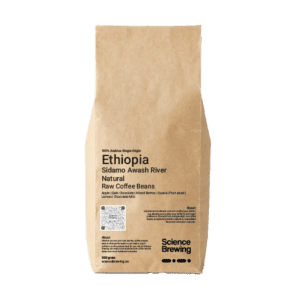
 Ethiopia Sidamo Awash River Natural – Raw coffeePrice range: 6,78 € through 16,23 €
Previous lowest price was 7,19 €.
excl. VAT Price range: 7,19 € through 17,20 €Previous lowest price was 7,19 €.
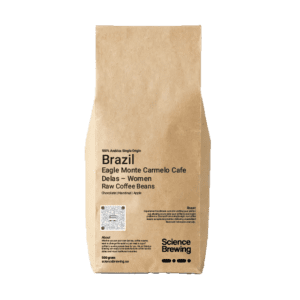
incl. VAT - Brazil Eagle Monte Carmelo Cafe Delas – Women – raw coffeePrice range: 6,35 € through 60,09 € excl. VAT Price range: 6,73 € through 63,70 € incl. VAT
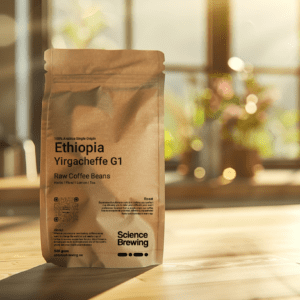
- Ethiopia Yirgacheffe G117,94 € excl. VAT19,02 € incl. VAT
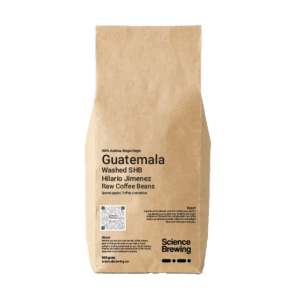
- Guatemala Washed SHB Hilario Jimenez – Raw coffeePrice range: 5,92 € through 15,37 € excl. VAT Price range: 6,28 € through 16,29 € incl. VAT
- India Arabica Malabar AA, Monsooned – Green coffeePrice range: 10,74 € through 17,08 € excl. VAT Price range: 11,38 € through 18,11 € incl. VAT
- Colombia Dulima EP10 – Green coffeePrice range: 6,78 € through 17,08 € excl. VAT Price range: 7,19 € through 18,11 € incl. VAT