Coffee is more than just a caffeine fix; it’s a complex beverage with a myriad of flavor profiles waiting to be discovered. From hazelnut and strawberry to chocolate and citrus, each cup offers a unique flavor journey. This article dives into the science behind coffee’s flavors and how you can discover these subtle nuances, with a particular focus on green coffee and how to develop its flavor palette.
Introduction to Coffee Flavor Profiles
The flavor profile of coffee is influenced by many factors, including the origin of the beans, the degree of roasting and the brewing method. According to Perfect Daily Grind, these variables can be adjusted to create specific flavor profiles that appeal to different consumers.
What is a Flavour Profile?
A flavor profile is the distinct characteristics and nuances that you can taste in a brewed cup of coffee. These profiles are shaped by several factors:
- Place of origin of the beans: The geography where the coffee is grown significantly affects its flavor. For example, Ethiopian beans are known for their blueberry and jasmine flavors, while Colombian coffee often has a balanced and sweet profile.
- Degree of roasting: Light roast retains most of the bean’s original flavors, while dark roast produces deeper, more robust flavors like chocolate and caramel.
- Processing method: How the coffee beans are processed after harvest also affects the flavor. For example, the natural process often produces fruitier and wine-like profiles.
Taste Profiles and Sensory
Sensory science is the science of how we perceive taste and smell. When we taste coffee, our taste buds and sense of smell interact to create a holistic experience. To truly understand the flavor profiles of coffee, it is important to develop a sense of sensory analysis. This means identifying and describing flavors and aromas in coffee, which can be both an art and a science.
Green coffee: the foundation of Exceptional Coffee
Green coffee, or green coffee beans, are the heart of all coffee production. It is at this stage that the basic flavor characteristics of coffee are formed, long before roasting begins. Understanding green coffee is the key to appreciating and creating delicious coffee profiles.
What is green coffee?

Raw coffee is coffee beans in their natural, unroasted state. These beans have been harvested, processed and dried, but not roasted. They have a greenish color and a grassy aroma, far from the rich aroma we associate with roasted coffee.
Factors Affecting the Quality of Raw Coffee
- Growing conditions: altitude, soil, climate and shade all play a role in the development of coffee bean flavor.
- Harvesting technique: Selective picking of ripe berries gives better quality than mechanical harvesting.
- Processing method: Wet, dry or honey processing affects the final flavor profile of the beans.
- Storage and Transportation: Proper storage and timely transportation are essential to preserve quality.
How to Choose Green Coffee
For those interested in exploring different coffee profiles, the choice of green coffee is crucial. Here are some tips:
- Origin: Start by exploring different countries of origin. Each region has its unique flavor characteristics.
- Vintage: Fresher green coffee is generally better. Look for beans harvested within the last year.
- Processing method: Learn about different methods to understand how they affect the flavor profile.
- Certifications: Organic and Fair Trade beans can offer both better quality and ethical consumption.
Storage of green coffee
Proper storage is essential to preserve the quality of raw coffee:
- Store in an airtight container.
- Keep the beans away from direct sunlight.
- Store at room temperature, avoid moisture and heat.
- Use within 6-12 months for best results.
The Science Behind the Flavors of Coffee
The flavor of coffee is the result of chemical compounds formed during roasting and brewing. According to Perfect Daily Grind, these compounds are crucial in determining the taste and quality of coffee.

Chemical Compounds and Taste
- Volatile Compounds: These are created during the roasting process and are crucial to the flavor and aroma of the coffee. They include esters, aldehydes and ketones that contribute to fruity and floral notes.
- Non-Volatile Compounds: These include alkaloids such as caffeine and trigonelline, as well as chlorogenic acids that affect the bitterness and acidity of coffee.
The Role of Roasting in Flavor Development
Roasting is a critical process that affects the flavor profile of coffee. During roasting, the beans undergo a series of chemical changes that affect their flavor and aroma:
- The Maillard reaction: This chemical reaction between amino acids and reducing sugars creates many of coffee’s complex flavors.
- Caramelization: At higher temperatures, sugars begin to caramelize, producing sweet and caramel-like flavors.
- Pyrolysis: Decomposition of organic compounds at high temperature, which can result in smoky or burnt flavors when over-roasted.
By understanding these processes, it is possible to better appreciate how different degrees of roasting affect the final taste of the coffee.
Discover the flavors of specialty coffee
Identifying specific flavors such as hazelnut or strawberry in coffee can seem challenging, but with the right technique and a little practice, you can develop your flavor palette.

1. Hazelnut
Hazelnut is a common flavor note in coffee, especially in beans from Latin America. These flavors are often accentuated in medium-roasted beans where nutty notes are balanced with sweetness. To detect hazelnut, look for a soft, creamy mouthfeel and a subtle sweetness.
- The science behind hazelnut flavor: The hazelnut flavor in coffee comes from specific aroma compounds that are formed during roasting. These include pyrazines, which are known for their nutty and earthy aromas.
2. Strawberry
Strawberry flavors are more prominent in beans from Africa, especially from Ethiopia. These flavors are often the result of natural processing methods that bring out fruity and acidic notes. To identify strawberry, look for a bright acidity and a sweet, fruity aftertaste.
- The science behind strawberry flavor: The strawberry flavor in coffee can be attributed to esters and aldehydes, which impart fruity and floral aromas. These compounds are more prominent in beans that have undergone natural processing.
3. Chocolate
Chocolate notes are common in dark-roasted beans, where the roasting process caramelizes sugars and imparts a deep, rich flavour. These flavors are often evident in coffees from Central and South America. To detect chocolate, look for a full body and a smooth, sweet aftertaste.
- The science behind chocolate flavor: The chocolate flavor in coffee is the result of the Maillard reaction, a chemical process that takes place during roasting and creates complex flavor compounds like melanoids.
Advanced Techniques for Coffee Making
To truly appreciate the complex flavors of coffee requires more than just a developed taste palette. Here are some advanced techniques that can help you become a true coffee connoisseur:
1. cupping
Cupping is a professional taste-testing technique used in the coffee industry. By following a standardized process, you can compare different coffee varieties in a consistent way.
The cupping process:
- Grind fresh coffee and place in several cups.
- Pour hot water over the coffee and let it steep for 3-5 minutes.
- “Break” the crusts that form on the surface and scent.
- Taste the coffee by slurping it from a spoon to spread the flavor all over your tongue.
2. The flavor wheel
Use a coffee flavor wheel to help you identify and describe the flavors you experience. This tool categorizes flavors and aromas into groups such as fruity, nutty, chocolatey, etc. https://sca.

3. The Impact of Temperature
Try the same coffee at different temperatures. As the coffee cools, some flavors may become more prominent while others are toned down.
4. Comparative Tastings
Organize blind tastings where you compare different types of coffee side by side. This can help you develop your ability to discern subtle differences.
Coffee Tasting: Organize Your Own Session

Organizing a coffee tasting at home is a great way to explore different flavours and share the experience with friends. Here is a guide to setting up your own tasting session:
Preparation:
- Choose your coffees: Choose 3-5 different coffees, preferably from different regions or with different roasting degrees.
- Equipment: Make sure you have enough cups, spoons, and water for all participants.
- Grinding: Grind the coffee just before tasting for optimal freshness.
- Water: Use filtered water heated to the correct temperature (approximately 93-96°C).
Implementation:
- Start by smelling the ground coffee before brewing.
- Brew the coffee according to the cupping method or your preferred brewing method.
- Note the color and aroma before tasting.
- Taste and discuss the different flavor profiles.
- Make a note of your observations for future reference.
The Future of Coffeemaking: Trends and Innovations
The coffee industry is constantly evolving, with new trends and innovations emerging regularly. Here are some exciting areas to keep an eye on:
- Experimental Processing Methods: New fermentation and drying methods that create unique flavor profiles.
- Sustainability and Traceability: Increased focus on sustainable farming and transparency in the supply chain.
- Micro-lots and Limited Editions: Exclusive coffees from specific farms or regions.
- AI and Machine Learning: Using technology to optimize roasting and brewing.
- Coffee Drinks and Fusions: Innovative blends of coffee with other drinks and flavors.
- Product on sale
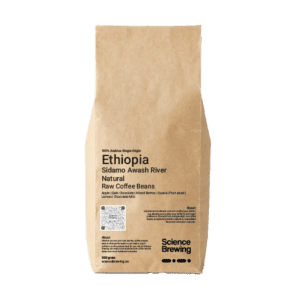
 Ethiopia Sidamo Awash River Natural – Raw coffeePrice range: 6,78 € through 16,23 €
Previous lowest price was 7,19 €.
excl. VAT Price range: 7,19 € through 17,20 €Previous lowest price was 7,19 €.
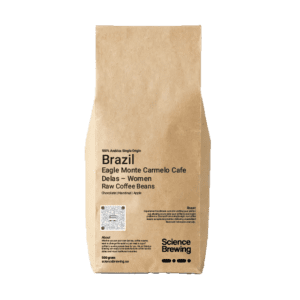
incl. VAT - Brazil Eagle Monte Carmelo Cafe Delas – Women – raw coffeePrice range: 6,35 € through 60,09 € excl. VAT Price range: 6,73 € through 63,70 € incl. VAT
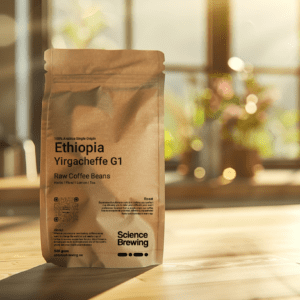
- Ethiopia Yirgacheffe G117,94 € excl. VAT19,02 € incl. VAT