Carbonic maceration is an innovative method of coffee processing that has its roots in the wine industry. By creating a controlled anaerobic environment, where the coffee berries ferment in the presence of carbon dioxide, this process can bring out unique and complex flavor profiles in the coffee. This article will provide an in-depth overview of what carbonic maceration is, how the process works, and how it affects the flavor of coffee. We will also explore the benefits of this method and provide tips for coffee lovers who want to explore this exciting technique.
Background and Introduction
What is carbonic maceration?
Carbonic maceration, also known as ‘maceration carbonique,’ is a fermentation method originally used in winemaking, particularly in the production of Beaujolais wine. More recently, the method has been adapted for coffee processing and has gained attention for its ability to create unique flavor profiles.
Origin of the process
Carbonic maceration was introduced to the wine industry in the 1930s by scientist Michel Flanzy. By placing whole, undamaged bunches of grapes in a sealed tank of carbon dioxide, fermentation could take place inside the grapes before they were pressed. This technique helped to preserve the grape’s aromas and create fruity and light wines.
Adaptation to the coffee industry
In the coffee industry, carbonation was adapted by pioneers such as Sasa Sestic, winner of the 2015 World Barista Championship. By using similar principles as in winemaking, coffee producers were able to explore new flavor dimensions and improve the quality of specialty coffee.
The Carbonic Acid Maceration Process

Step-by-Step Review
- Harvesting of coffee berries: To begin carbonation, the coffee berries are harvested when they are fully ripe. Ripe berries have the best sugar content needed for fermentation.
- Sorting and Cleaning: The berries are carefully sorted to remove overripe or damaged berries. They are also cleaned to remove soil and other contaminants.
- Placement in Sealed Tanks: The cleaned coffee beans are placed in sealed tanks where carbon dioxide is pumped in to create an anaerobic environment (without oxygen).
- Controlled Fermentation: Under controlled temperature conditions (usually between 18-25°C), the berries are allowed to ferment for 12 to 72 hours, depending on the desired flavor profile. The carbon dioxide penetrates the berries and initiates an internal fermentation process.
- Removal of Coffee Beans: After fermentation, the beans are removed from the berries, rinsed and dried thoroughly.
Biology of fermentation
In the anaerobic environment, a unique fermentation process is created where enzymes and microorganisms convert sugars and other compounds in the berries. This fermentation produces ethanol and carbon dioxide, which help to develop complex and unique flavors in the coffee.
How Carbonation Affects Taste

Flavor profile and aromas
Coffee that undergoes carbonation is known for its lively and complex flavor profile. Common flavors and aromas include:
- Fruity Notes: Coffee often takes on intense fruity flavors such as berries, tropical fruits, and stone fruits.
- Floral Notes: Floral aromas may be more prominent, giving the coffee an elegant and delicate aroma.
- Sweetness and Acidity Balance: Coffee tends to have a higher natural sweetness and a balanced acidity, contributing to a smooth and pleasant taste experience.
- Complexity: The controlled fermentation creates multiple layers of flavors that develop as the coffee cools.
Benefits of carbon dioxide maceration
- Improved Quality: The process can enhance the quality of the coffee by bringing out unique and complex flavors.
- Sustainability: By minimizing the use of water and chemicals during processing, carbonation contributes to more sustainable production.
Why Carbonic Acid Maceration is Good
Sustainability and environmental friendliness
Carbonation can be more environmentally friendly than traditional methods such as wet processing. This method minimizes water use and eliminates the need for chemicals. In addition, the process can help reduce waste by using the whole berry and maximizing yield.
Economic Benefits
For coffee producers, carbonation can open new market segments. Premium customers are often willing to pay more for coffee with unique and complex flavor profiles. This can increase revenues and contribute to the economic sustainability of small-scale coffee farmers.
Innovation and Quality Improvement
By experimenting with carbonation, coffee producers can continuously improve and differentiate their products. This creates a culture of innovation and quality improvement in the coffee industry.
Tips for Coffee Lovers Who Want to Explore Carbonation
Find the right coffee
- Search for Specific Certification: Choose coffee that explicitly states that it has undergone carbonation. These products can often be found at specialty coffee roasters and premium coffee shops.
- Try Different Origins: Carbonic maceration is used on coffee beans from different regions. Try beans from different origins to experience how the method affects the flavor profile depending on the geographical origin.
Brewing methods
To get the most out of coffee that has undergone carbonation, it is important to choose the right brewing method:
- Pour Over: Methods such as Hario V60 or Chemex can bring out the complex flavors and aromas developed during carbonation.
- French Press: This method can produce a fuller cup that emphasizes the body and texture of the coffee.
- Cold Brew: For a cool and refreshing drink that preserves the fruity and floral notes of coffee.
Experimenting with Flavors
The taste of coffee can vary depending on the brewing method, grind, and brewing time. Experiment with these variables to find the perfect cup that brings out the unique flavors of carbonation.
Closure
Carbonation is an exciting and innovative method that opens up new possibilities in the coffee industry. By understanding and exploring this process, coffee lovers can discover new dimensions of flavor and enjoy coffee in a whole new way. Whether you are a beginner or an experienced coffee enthusiast, there is always something new to learn and appreciate in the world’s most beloved beverage.
-
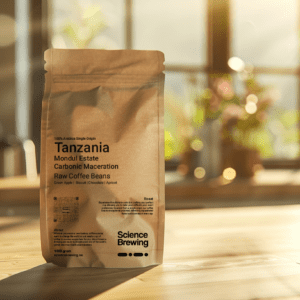
 Tanzania Mondul Estate Carbonic acid maceration- Raw coffeePrice range: 7,30 € through 17,08 € excl. VAT Price range: 7,74 € through 18,11 € incl. VAT