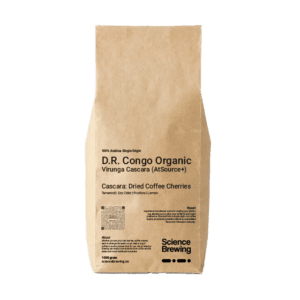
Organic coffee has become increasingly popular among conscious consumers seeking sustainable and healthy alternatives. This article provides a comprehensive overview of what organic coffee is and how it is produced, with a particular focus on practices such as ATsource. We also explore the flavor profile of organic coffee and how it differs from conventionally grown coffee. In addition, we will discuss the English term ‘decaf’ and its Swedish equivalent, ‘koffeinfritt kaffe’. The article concludes with practical tips for those who want to take the next step in organic coffee, whether it’s choosing the right product or improving brewing at home.
Background and Introduction
What is organic coffee?
Organic coffee is grown without the use of synthetic pesticides, herbicides or fertilizers. Cultivation follows strict organic farming standards that promote sustainability, biodiversity and the protection of natural resources. To be certified as organic, coffee must meet specific requirements monitored by certification bodies.
Organic Coffee Certification
To ensure that coffee meets organic standards, farms and products undergo a rigorous certification process. In the United States, for example, the USDA (United States Department of Agriculture) is responsible for certification, while the EU has its own rules and standards. The certification process includes inspections, documentation and verification that no synthetic chemicals have been used during the growing and processing of the coffee.

The production process of Organic Coffee
Cultivation
Organic coffee farming starts with choosing the right soil and plants. Growers focus on maintaining healthy soil through composting, green manuring and using natural fertilizers. Biological control methods are used to manage pests and diseases. Shadow farming, where coffee trees are grown under a canopy of other trees, is common in organic coffee farming as it promotes biodiversity and soil health.
Harvesting and Processing
Organic coffee is usually harvested by hand to ensure that only the ripe berries are picked. After harvesting, the coffee berries undergo various processing methods, such as wet processing, dry processing or semi-washed processing. During processing, only natural methods are used and no chemicals.
Certification and Traceability
To obtain organic certification, coffee must be traced through the entire production chain, from cultivation to final product. This ensures that the coffee has been grown and processed according to the organic standards. Certification bodies carry out regular inspections and checks to maintain the integrity of the organic label.
ATsource: A Deep Dive

What is ATsource?
ATsource is a company and a methodology that aims to improve sustainability and transparency in the coffee industry. By using technology and data-driven insights, ATsource helps coffee producers optimize their processes and reduce environmental impact. The company works to track the journey of coffee from farm to cup, ensuring that every step of production is as sustainable as possible.
How ATsource Works
- Data collection: ATsource collects data from coffee farms, including information on cultivation methods, water use, energy consumption and harvesting practices.
- Analysis: The data collected is analyzed to identify areas where sustainability can be improved.
- Implementation: Based on the analysis, ATsource implements sustainable practices and technologies to optimize production.
- Traceability: ATsource uses blockchain technology to track the journey of coffee throughout the supply chain, ensuring transparency and integrity.
Benefits of ATsource
- Environmental friendliness: By optimizing resources and reducing waste, ATsource helps to reduce the environmental impact of coffee production.
- Transparency: Consumers can trace the origin and production methods of their coffee, providing greater insight and trust.
- Efficiency: By using data and technology, coffee farmers can improve their practices and increase productivity without compromising sustainability.
The flavor profile of Organic Coffee

Comparison with Conventional Coffee
Organic coffee tends to have a cleaner and more natural flavor profile compared to conventionally grown coffee. Because organic coffee is not exposed to synthetic chemicals during cultivation, the natural flavors and aromas of the coffee can be more clearly expressed. Many coffee enthusiasts describe organic coffee as more complex and balanced, with clear notes of the unique flavors characteristic of its origin.
Factors Affecting Flavor
- Soil health: Healthy and nutrient-rich soil contributes to the flavor profile of coffee. Organic farming practices such as composting and green manuring improve the quality of the soil, which can give coffee a richer taste.
- Biodiversity: Shadow farming and the preservation of natural ecosystems around coffee farms can improve flavor by creating a more balanced and sustainable growing environment.
- Processing: Natural processing methods without chemicals preserve the unique flavors and aromas of coffee better than chemical methods.
Tips for coffee lovers who want to take the next step
Choosing the Right Organic Coffee
For those who want to immerse themselves in organic coffee, it is recommended to try different brands and origins to find the best flavor profiles. Here are some tips:
- Look for Certifications: Choose coffees that have clear organic certifications from trusted bodies like the USDA or the EU organic label.
- Try Different Countries of Origin: Organic coffees from different parts of the world have unique flavor profiles. Try coffees from Latin America, Africa and Asia to discover your favorite notes.
- Farmers’ History: Many organic coffee roasters work directly with coffee farmers and can tell you about their growing methods and history. This provides a deeper connection to the coffee you drink.
Brewing Perfect Organic Coffee at Home
To get the best out of your organic coffee at home, follow these steps:
- Use Fresh Beans: As with all coffee, fresh beans give the best flavor. Grind the coffee just before brewing for optimal freshness.
- Water quality: Use filtered or spring water to avoid chlorine and other chemicals affecting the taste of the coffee.
- Brewing method: Experiment with different brewing methods such as pour-over, French press or aeropress to find the one that best brings out the unique flavors of your organic coffee.
- Measure accurately: Use a kitchen scale to measure both coffee and water accurately. A general guideline is to use
60 grams of coffee per liter of water.
Closure
Organic coffee offers a sustainable and flavorful option for coffee lovers who want to make conscious choices. By understanding production, especially practices like
-
 Congo-Kinshasa Virunga Cascara – Dried fruit meatPrice range: 4,73 € through 20,52 € excl. VAT Price range: 5,01 € through 21,75 € incl. VAT