Coffee lovers around the world enjoy the rich taste and aroma of Arabica coffee every day. But few know the fascinating story behind this beloved coffee bean. Let’s dive deeper into the origins of Coffea arabica and discover how it has shaped coffee regions and flavor profiles over millennia.
The birth of Arabica: a natural hybrid
According to a groundbreaking study published in Nature Genetics in April 2024, the Arabica coffee bean originated between 350,000 and 610,000 years ago. This was long before humans began to cultivate coffee and even before the rise of modern humans. Arabica evolved through a natural cross between two other coffee species: Coffea eugenioides and Coffea canephora (better known as Robusta).
This natural hybridization took place in the forests of Ethiopia, giving the Arabica bean a unique genetic makeup that contributes to its distinctive taste and aroma. For home roasters, understanding the origins of Arabica is crucial to appreciating the subtle nuances of different single origin coffee beans.
Arabica’s journey through time
The Arabica population has undergone many changes during the Earth’s climate shifts. Scientists have used advanced DNA sequencing technology to map the history and spread of Arabica. This work has provided valuable insights into how different coffee regions have developed their unique characteristics.

For those interested in roasting their own coffee, it’s fascinating to know that the beans we use today have a history stretching back hundreds of thousands of years.
Cultivation and global spread
Despite its long origins, people did not start growing Arabica coffee until relatively recently. The first signs of coffee cultivation date to around the 15th century in Yemen. From here, coffee quickly spread to the rest of the world.
An interesting anecdote is the story of the Indian monk Baba Budan, who is said to have smuggled seven coffee beans from Yemen around 1600. This laid the foundation for Indian Arabica varieties and contributed to the global spread of coffee.
Modern varieties and cultivation

Today’s coffee roasters work with a variety of Arabica varieties, each with its own unique characteristics. Bourbon and Typica are two of the most famous varieties, and both can be traced back to Yemen.
For those interested in roasting their own coffee, it is important to understand how different varieties and growing methods affect the taste. For example, the processing method (washed, natural, or honey) has a significant impact on the final flavor profile of the coffee.
The future of Arabica
With climate change and new challenges for coffee farmers worldwide, research and development are becoming increasingly important. The new reference genome for Arabica, presented in the 2024 study, opens up opportunities to develop more resilient and climate-adapted coffee varieties.
For home roasters and coffee enthusiasts, this means exciting opportunities to explore new flavors and profiles in the future. Understanding the origins and genetics of coffee can help us better appreciate the complex process from bean to cup.
Conclusion
The journey of Arabica coffee from a natural hybrid in the forests of Ethiopia to the world’s most beloved coffee bean is a fascinating story. For those interested in specialty coffee and roasting coffee themselves at home, this knowledge provides a deeper understanding and appreciation for each cup.
Whether you prefer a light-roasted pour-over or a dark-roasted espresso, each Arabica bean carries a rich history stretching back hundreds of thousands of years. The next time you enjoy a cup of coffee, take a moment to reflect on the incredible journey that has made this possible.
- Product on sale
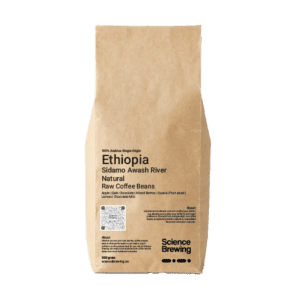
 Ethiopia Sidamo Awash River Natural – Raw coffeePrice range: 6,78 € through 16,23 €
Previous lowest price was 7,19 €.
excl. VAT Price range: 7,19 € through 17,20 €Previous lowest price was 7,19 €.
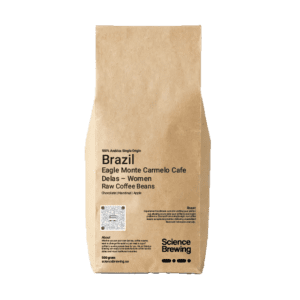
incl. VAT - Brazil Eagle Monte Carmelo Cafe Delas – Women – raw coffeePrice range: 6,35 € through 60,09 € excl. VAT Price range: 6,73 € through 63,70 € incl. VAT
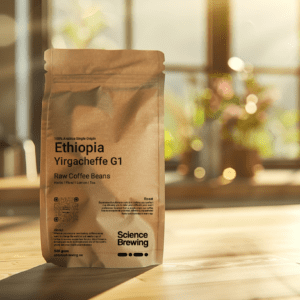
- Ethiopia Yirgacheffe G117,94 € excl. VAT19,02 € incl. VAT
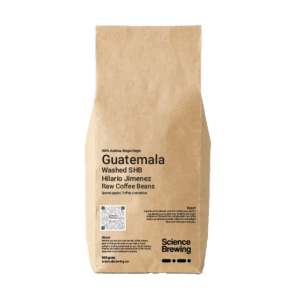
- Guatemala Washed SHB Hilario Jimenez – Raw coffeePrice range: 5,92 € through 15,37 € excl. VAT Price range: 6,28 € through 16,29 € incl. VAT
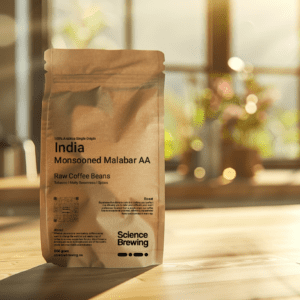
- India Arabica Malabar AA, Monsooned – Green coffeePrice range: 10,74 € through 17,08 € excl. VAT Price range: 11,38 € through 18,11 € incl. VAT
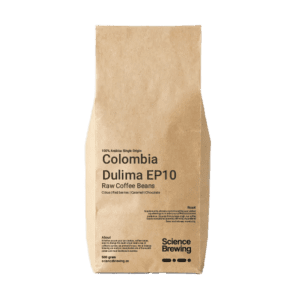
- Colombia Dulima EP10 – Green coffeePrice range: 6,78 € through 17,08 € excl. VAT Price range: 7,19 € through 18,11 € incl. VAT