Have you ever wondered what green coffee tastes like and why it is so different from the familiar aroma of freshly brewed coffee? Let’s dive deeper into the world of green coffee and explore its unique characteristics.
What is green coffee?
Raw coffee, also known as green coffee beans, are the unroasted seeds from the berries of the coffee plant. These beans have not undergone the transformative roasting process that gives us the coffee we usually drink. But can you actually eat or drink green coffee? The answer is yes, but the experience is far from what most coffee lovers are used to.

What does green coffee taste like?
For the untrained palate, the taste of green coffee can be a surprise. Here are some key aspects of the flavor profile of green coffee:
- Acidic: Raw coffee has a tangible acidity that can be perceived as sharp or even unpleasant for some.
- Grassy: Many people describe the taste as “grassy” or “vegetal”, reminiscent of fresh grass or green leaves.
- Woody: A distinctive woody note is often present, giving a complex and rustic flavor experience.
- Bitter: Without the caramelization of roasting, green coffee can have a marked bitterness.
- Hard texture: Unroasted coffee beans are significantly harder than their roasted counterparts, making them challenging to chew or grind.
Why does green coffee taste different?
The difference in taste between raw and roasted coffee is due to the chemical changes that occur during the roasting process. When coffee beans are roasted:
- The sugars caramelize, creating the complex flavors we associate with coffee.
- Oils are released, contributing to the aroma and mouthfeel of the coffee.
- Acidity is reduced, which balances the flavor profile.

The health benefits of raw coffee
Despite its challenging taste, green coffee has attracted interest for its potential health benefits:
- High antioxidant content: Raw coffee contains more antioxidants than roasted coffee, as roasting can destroy some of these beneficial substances.
- Potential weight loss effect: Some studies suggest that green coffee bean extract may have a positive effect on metabolism.
- Lower caffeine content: Raw coffee contains less caffeine than roasted coffee, which can be beneficial for caffeine-sensitive people.
Consuming green coffee
Although it is possible to eat raw coffee beans directly, it is not very enjoyable for most people. Instead, there are other ways to benefit from the properties of raw coffee:
- Green Coffee Bean Extract: Available as a food supplement.
- Raw coffee flour: Can be used in baking to add nutrients and a unique flavor.
- Cold brewing: Some people are experimenting with cold brewing green coffee for a milder flavor profile.
Conclusion
While green coffee may not be a substitute for your morning cup of roasted coffee, it offers a fascinating insight into the natural state of coffee. Its unique flavor profile and potential health benefits make it an interesting topic for coffee enthusiasts and health-conscious consumers alike. Whether you dare to taste raw coffee or not, knowing its properties gives you a deeper appreciation for the complex journey that coffee beans undergo from plant to cup.
- Product on sale
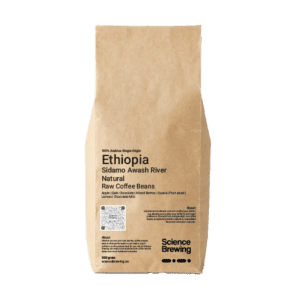
 Ethiopia Sidamo Awash River Natural – Raw coffeePrice range: 6,78 € through 16,23 €
Previous lowest price was 7,19 €.
excl. VAT Price range: 7,19 € through 17,20 €Previous lowest price was 7,19 €.
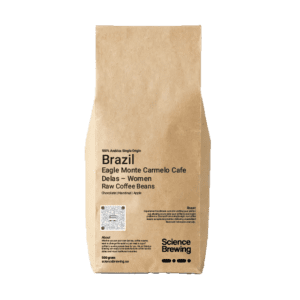
incl. VAT - Brazil Eagle Monte Carmelo Cafe Delas – Women – raw coffeePrice range: 6,35 € through 60,09 € excl. VAT Price range: 6,73 € through 63,70 € incl. VAT
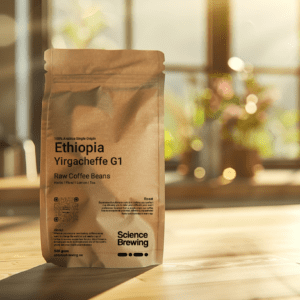
- Ethiopia Yirgacheffe G117,94 € excl. VAT19,02 € incl. VAT
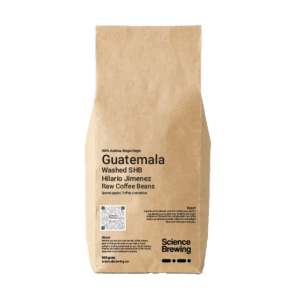
- Guatemala Washed SHB Hilario Jimenez – Raw coffeePrice range: 5,92 € through 15,37 € excl. VAT Price range: 6,28 € through 16,29 € incl. VAT
- India Arabica Malabar AA, Monsooned – Green coffeePrice range: 10,74 € through 17,08 € excl. VAT Price range: 11,38 € through 18,11 € incl. VAT
- Colombia Dulima EP10 – Green coffeePrice range: 6,78 € through 17,08 € excl. VAT Price range: 7,19 € through 18,11 € incl. VAT