
In an age where coffee has become more than just a liquid wake-up call, the concept of ‘specialty coffee’ has emerged as a symbol of quality, craftsmanship and sustainability. But what does specialty coffee really mean, and why has it become so popular with coffee enthusiasts around the world? In this article, we’ll explore the world of specialty coffee, from bean to cup, and examine what makes it so special.
What is specialty coffee?
Specialty coffee is not just a trendy term used by hipster coffee shops. It’s an official classification used in the coffee industry to identify coffees of exceptional quality. According to the Specialty Coffee Association (SCA), the leading international coffee organization, specialty coffee is defined as coffee that scores 80 points or more on a 100-point scale.

But what does this scoring actually mean? Let’s break it down:
- Quality assessment:
Specialty coffees are assessed by trained coffee tasters, known as Q-graders, who use a rigorous and standardized process to evaluate the quality of the coffee. They assess aspects such as aroma, flavor, aftertaste, acidity, body and balance. - Ursprung och odlingsförhållanden:
Specialkaffe odlas ofta i specifika mikroklimat som ger optimala förhållanden för kaffeplantorna. Faktorer som höjd över havet, jordmån, temperatur och nederbörd spelar alla en roll i att skapa de unika smakprofilerna som kännetecknar specialkaffe. - Hantering och förädling:
Från plockning till torkning och bearbetning, varje steg i processen hanteras med extrem omsorg för att bevara och framhäva kaffets naturliga kvaliteter. - Sustainability and ethics:
Many specialty coffee producers place a strong emphasis on sustainable farming practices and fair working conditions for coffee farmers. This ethical focus is often an integral part of specialty coffee culture.
The story behind specialty coffee
Begreppet “specialkaffe” myntades först på 1970-talet av Erna Knutsen, en pionjär inom kaffeindustrin. Hon använde termen för att beskriva kaffebönor av exceptionell kvalitet som odlades i särskilda mikroklimat. Sedan dess har specialkaffeindustrin vuxit exponentiellt, driven av konsumenternas ökande intresse för kvalitet, ursprung och hållbarhet.
1980-talet såg framväxten av “tredje vågens kaffe”, en rörelse som fokuserade på att behandla kaffe som en artisanal eller hantverksmässig dryck, snarare än en standardiserad handelsvara. Detta ledde till en ökad uppmärksamhet på kaffets ursprung, rostningsmetoder och bryggtekniker.
Today, specialty coffee is a billion-dollar global industry, with dedicated growers, roasters, baristas and consumers all helping to drive innovation and quality in the coffee sector.
What makes specialty coffee special?
So what really sets specialty coffee apart from regular coffee? Here are some key factors:
- Komplexitet i smak:
Specialkaffe kännetecknas av en rik och komplex smakprofil. Istället för den enkla “kaffesmaken” som många associerar med bulk-kaffe, kan specialkaffe uppvisa en bred palett av smaker och aromer. Tänk på noter av frukt, choklad, nötter, blommor och till och med kryddor. - Clarity and purity:
One of the most striking characteristics of specialty coffee is its purity in the cup. The flavors are distinct and well-defined, without the cloudy or bitter notes often associated with low-quality coffee. - Balance and harmony:
A good specialty coffee has a perfect balance between its different flavor components. Acidity, sweetness, bitterness and body work together in harmony to create a well-rounded taste experience. - Long-lasting aftertaste:
Specialty coffees often leave a pleasant and long-lasting aftertaste that can last for several minutes after you take a sip. - Terroir:
As with wine, the origin of coffee plays a crucial role in determining its taste. Specialty coffees often bear clear traces of their terroir – the unique environmental conditions in which they were grown.
Growing and producing specialty coffee
Producing specialty coffee is a labour-intensive process that requires care and attention to detail at every stage. Here is an overview of the main phases:

- Cultivation:
Specialty coffee is often grown at high altitudes, where temperatures are cooler and the coffee berries ripen more slowly. This results in a more concentrated and complex flavor. Many growers also use shade growing, where the coffee plants grow under larger trees, contributing to biodiversity and providing a richer soil. - Harvest:
For specialty coffee, the coffee berries are picked by hand when they are perfectly ripe. This is a time-consuming process but ensures that only the best berries are used. - Bearbetning:
Efter skörden bearbetas kaffebären antingen genom våt- eller torrmetoden. Våtmetoden, som ofta föredras för specialkaffe, innebär att fruktköttet avlägsnas mekaniskt innan bönorna fermenteras och tvättas. Torrmetoden innebär att hela bären torkas i solen innan fruktköttet avlägsnas. - Drying:
The coffee beans are carefully dried to achieve the right moisture content. This is a critical step that affects the final taste and shelf life of the coffee. - Sorting and quality control:
The beans are carefully sorted to remove defective specimens. This is often done both by machine and by hand. - Rostning:
Slutligen rostas bönorna av skickliga kafferostare eller dig som arbetar för att framhäva de unika egenskaperna hos varje parti kaffe. Rostningen är en konst i sig, där timing och temperatur måste balanseras perfekt för att uppnå önskad smakprofil.
Specialty coffee and sustainability
An important aspect of the specialty coffee industry is its focus on sustainability and ethical production. Many specialty coffee producers are actively working to improve working conditions for coffee farmers and minimize environmental impacts. Here are some ways the specialty coffee industry is contributing to more sustainable coffee production:

- Direct Trade:
Many specialty coffee roasters engage in so-called “direct trade”, where they buy directly from coffee farmers. This eliminates middlemen and ensures that a greater share of profits goes back to the farmers. - Fair compensation:
Specialty coffee is often paid significantly higher prices than bulk coffee, giving growers a better income and incentive to continue producing high-quality coffee. - Organic farming:
Many specialty coffee farmers use organic farming methods that minimize the use of chemicals and promote biodiversity. - Preserving traditional farming practices:
The specialty coffee industry often contributes to the preservation of traditional farming practices and local coffee varieties, helping to maintain cultural heritage and biodiversity. - Investing in communities:
Many specialty coffee companies invest in projects that benefit coffee-growing communities, such as schools, healthcare and infrastructure.
Enjoying specialty coffee
To truly appreciate specialty coffee, it takes more than just an expensive coffee machine. Here are some tips to get the most out of your specialty coffee experience:

- Buy whole raw or roasted beans:
Coffee starts to lose its flavor as soon as it is roasted or ground. Buying whole raw beans and roasting them yourself gives you the absolute best flavor. Alternatively, buying freshly roasted whole beans and grinding them yourself just before brewing will give you the freshest flavor. - Invest in a good grinder:
A high-quality grinder provides an even grind, which is essential for a balanced extraction. - Experimentera med bryggmetoder:
Olika bryggmetoder framhäver olika aspekter av kaffet. Prova olika tekniker som pour-over, French press, eller espresso för att hitta din favorit. - Pay attention to water temperature:
The ideal is usually between 90-96°C. Too hot water can result in a bitter coffee, while too cold water can produce an underextracted, acidic coffee. - Mät noggrant:
Använd en digital våg för att mäta både kaffe och vatten. Ett vanligt förhållande är 1:16 (kaffe till vatten), men experimentera för att hitta din perfekta balans. - Lär dig att smaka:
Ta tid att verkligen uppleva kaffet. Observera doften, smaken, kroppen och eftersmaken. Med övning kommer du att kunna urskilja subtila nyanser och karaktärsdrag.
The future of specialty coffee
The specialty coffee industry continues to grow and evolve. Here are some trends and challenges shaping the future of specialty coffee:
- Climate change:
Rising temperatures and changing rainfall patterns pose a serious threat to coffee farming. Many producers are experimenting with new, more resilient coffee varieties and adapted growing methods. - Technological innovation:
From precision farming to AI-powered roasting, technology is playing an increasing role in specialty coffee production. - Increasing transparency:
Consumers are increasingly demanding more information on the origin and production methods of coffee. This is driving the development of traceability systems and more detailed information on packaging. - New markets:
While traditional coffee countries like the US and parts of Europe have driven the specialty coffee boom, interest is now growing rapidly in countries like China and Russia. - Experimentella processer:
Innovativa bearbetnings- och fermenteringstekniker skapar nya och spännande smakprofiler, vilket utvidgar vår uppfattning om vad kaffe kan vara.
Closure
Specialty coffee represents a fascinating combination of tradition and innovation, craft and science. It is a world where passionate growers, roasters and baristas work together to create extraordinary taste experiences. But it is also an industry that faces significant challenges, from climate change to economic inequality.
For coffee lovers, specialty coffee offers an opportunity to explore the full potential of coffee – to experience the incredible diversity of flavors and aromas that this humble bean can produce. But it also offers a chance to become a more conscious consumer, to understand coffee’s journey from bean to cup and the many people whose lives and livelihoods are linked to this journey.
Whether you’re a seasoned coffee connoisseur or a curious beginner, there’s always more to discover in the world of specialty coffee. So next time you pour yourself a cup, take a moment to really appreciate it – not just for its taste, but for all the work, knowledge and passion that has gone into creating the perfect cup of specialty coffee.
- Product on sale
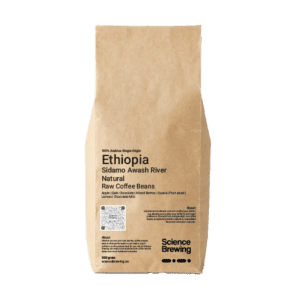
 Ethiopia Sidamo Awash River Natural – Raw coffeePrice range: 6,78 € through 16,23 €
Previous lowest price was 7,19 €.
excl. VAT Price range: 7,19 € through 17,20 €Previous lowest price was 7,19 €.
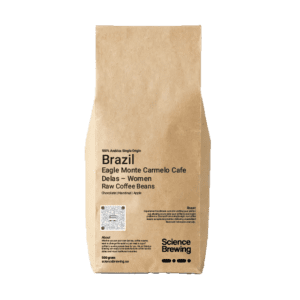
incl. VAT - Brazil Eagle Monte Carmelo Cafe Delas – Women – raw coffeePrice range: 6,35 € through 60,09 € excl. VAT Price range: 6,73 € through 63,70 € incl. VAT
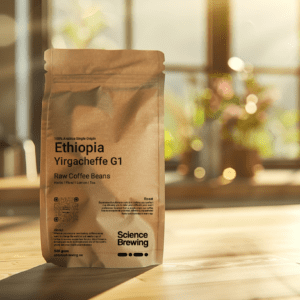
- Ethiopia Yirgacheffe G117,94 € excl. VAT19,02 € incl. VAT
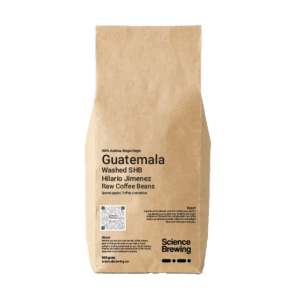
- Guatemala Washed SHB Hilario Jimenez – Raw coffeePrice range: 5,92 € through 15,37 € excl. VAT Price range: 6,28 € through 16,29 € incl. VAT
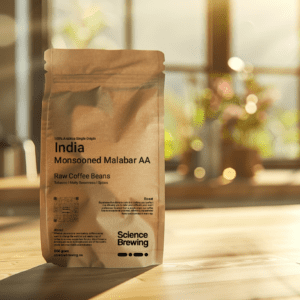
- India Arabica Malabar AA, Monsooned – Green coffeePrice range: 10,74 € through 17,08 € excl. VAT Price range: 11,38 € through 18,11 € incl. VAT
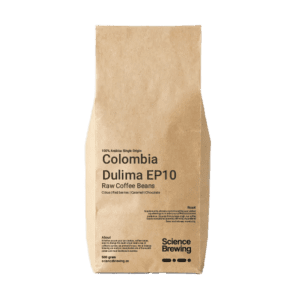
- Colombia Dulima EP10 – Green coffeePrice range: 6,78 € through 17,08 € excl. VAT Price range: 7,19 € through 18,11 € incl. VAT
Läs mer: Hur ser man om kaffe är färskt?
Read more: How can you tell if coffee is fresh?